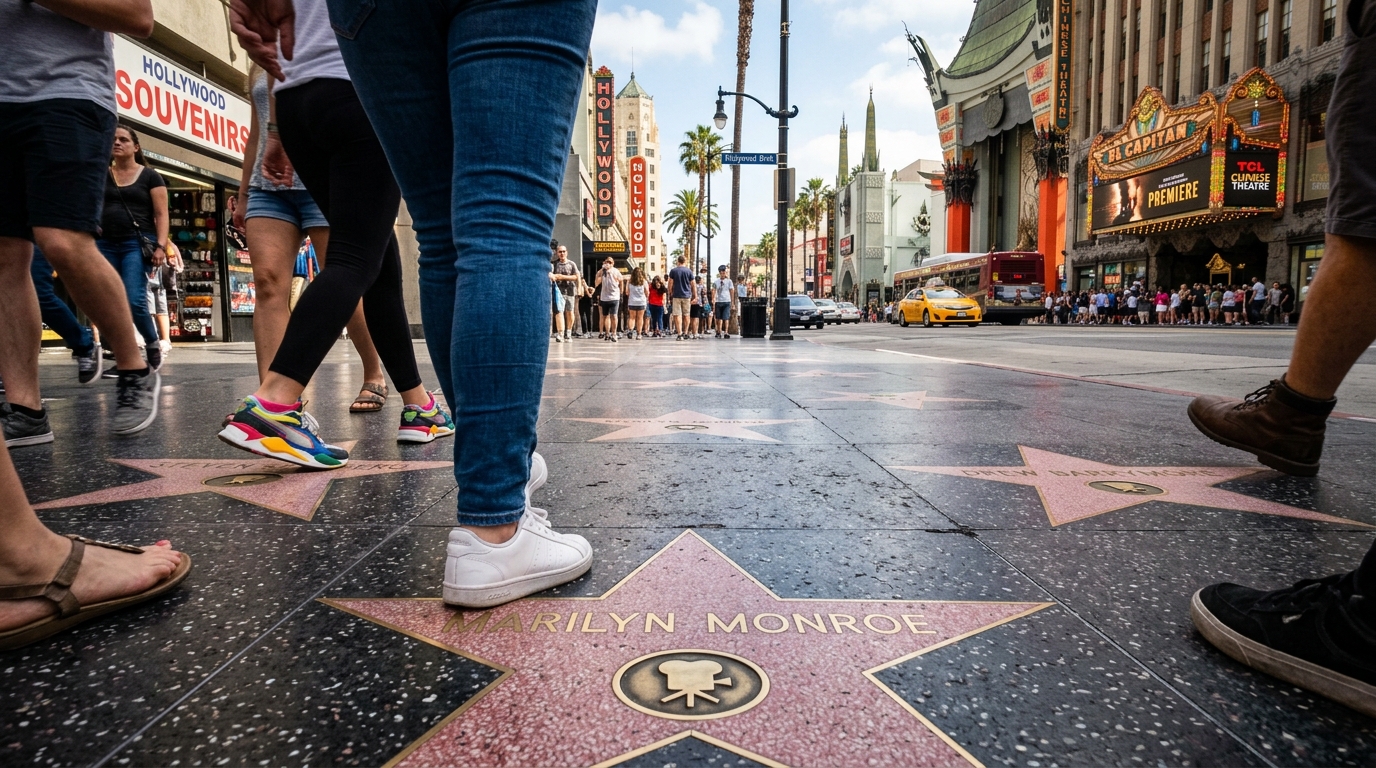
Hollywood’s golden age — roughly spanning the 1920s through the 1950s — represents one of the most transformative periods in entertainment history. During these decades, a small neighborhood in Los Angeles transformed into the epicenter of global cinema, attracting ambitious dreamers, visionary directors, and talented performers from around the world. Today, understanding this era is essential to appreciating the rich cultural heritage that defines modern Hollywood.
The story of Hollywood’s golden age is not just about glamorous movie premieres and red carpet events. It is a complex narrative woven with tales of artistic innovation, ruthless business practices, personal triumphs, and tragic downfalls. From the silent film era to the rise of talkies, from the studio system’s iron grip to the emergence of independent filmmakers — this period shaped not only cinema but also American culture itself.
From Silent Films to Sound Pictures: A Revolutionary Transformation
Before Hollywood became synonymous with cinema, the film industry was scattered across the United States. The move to California was driven by practical considerations — the region’s abundant sunshine, diverse landscapes, and distance from the patent enforcers of the East Coast made it an ideal location for film production. By the 1920s, Hollywood had established itself as the undisputed center of American filmmaking.
The transition from silent films to sound pictures in the late 1920s marked a revolutionary turning point. The 1927 release of “The Jazz Singer,” featuring Al Jolson, demonstrated the commercial viability of synchronized sound. This technological shift forced the industry to adapt rapidly. Actors with theatrical training and clear diction suddenly became invaluable, while many silent film stars found their careers ending overnight due to voice or accent issues. This period of upheaval created opportunities for new talent while simultaneously ending the dreams of established performers.
The Studio System: How Hollywood Controlled Stardom and Careers
The golden age of Hollywood was defined largely by the studio system — a vertically integrated model where major studios controlled every aspect of filmmaking, from production to distribution to exhibition. Studios like MGM, Warner Bros., Paramount, and RKO operated like factories, churning out films on assembly-line schedules while maintaining tight control over their contract players.
Studio executives wielded enormous power over actors’ careers, personal lives, and public images. Stars were groomed, packaged, and marketed like products. Their romantic relationships were choreographed for publicity, scandals were suppressed through powerful publicists and friendly journalists, and contract violations could result in career destruction. While this system produced some of cinema’s greatest films and most iconic performers, it also created an environment ripe for exploitation and abuse.
The studio system’s influence on Hollywood extended beyond the screen. Studios built and controlled movie theaters, ensuring their films received prime booking slots. They created a star system that made certain actors household names while keeping others perpetually under-utilized. This concentration of power eventually drew antitrust scrutiny from the federal government, leading to the 1948 Supreme Court decision that forced studios to divest their theater holdings.
Legendary Performers Who Defined an Era
The golden age produced some of cinema’s most enduring stars. Humphrey Bogart’s world-weary charm, Audrey Hepburn’s elegant sophistication, Cary Grant’s suave charisma, and Marilyn Monroe’s magnetic presence defined an era. These performers did more than act — they embodied ideals, aspirations, and fantasies that captivated audiences worldwide.
Bette Davis became known for her fierce independence and refusal to accept mediocre roles, even when it meant fighting her studio. Katharine Hepburn challenged gender norms both on screen and off, establishing herself as a formidable talent who refused to be controlled. These women, along with male counterparts like James Stewart and Spencer Tracy, elevated the craft of acting and demonstrated that cinema could explore complex human emotions and moral dilemmas.
The Dark Side: Scandals, Abuse, and Hidden Tragedies
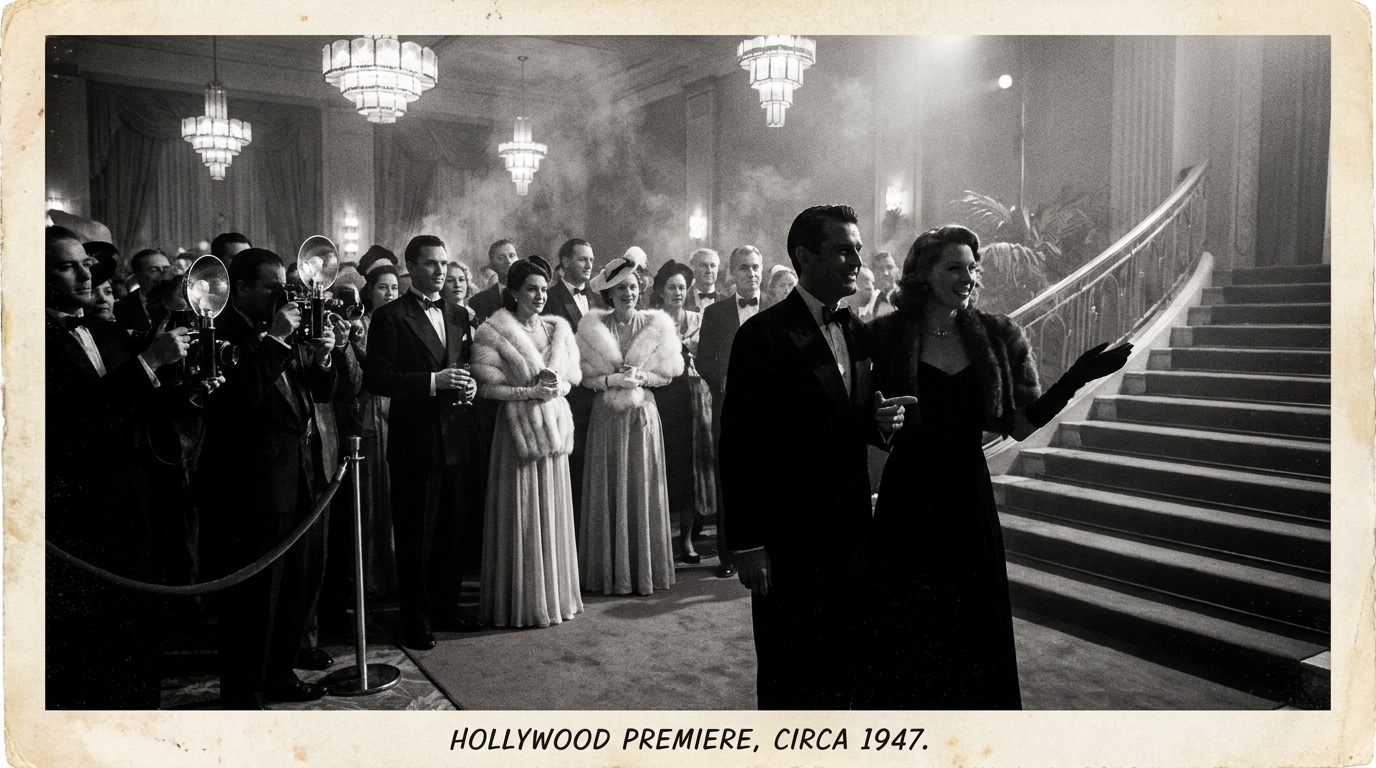
Behind the glittering facade of Hollywood’s golden age lay darker realities. The industry was rife with scandals, many of which were carefully hidden from the public. Substance abuse, mental health struggles, and exploitation were common. The tragic deaths of stars like Judy Garland and Marilyn Monroe revealed the psychological toll that fame and studio control could exact.
The darker aspects of Hollywood history included the casting couch culture, where powerful producers and directors leveraged their positions to exploit aspiring actors. Sexual harassment and assault were endemic, though rarely discussed publicly. The studio system’s control over actors’ personal lives often meant that victims of abuse had nowhere to turn for help.
Political persecution also marked this era. The House Un-American Activities Committee (HUAC) investigations of the late 1940s and 1950s targeted suspected communists in the entertainment industry, leading to blacklisting and career destruction for many talented individuals. This period of McCarthyism had a chilling effect on creative freedom and demonstrated how political ideology could weaponize the entertainment industry.
Cinematic Masterpieces and Artistic Innovation
Despite — or perhaps because of — the systemic challenges, the golden age produced extraordinary cinema. Directors like Orson Welles, Billy Wilder, and Alfred Hitchcock created films that remain masterpieces of storytelling and visual composition. “Citizen Kane,” “Sunset Boulevard,” and “Vertigo” continue to influence filmmakers today.
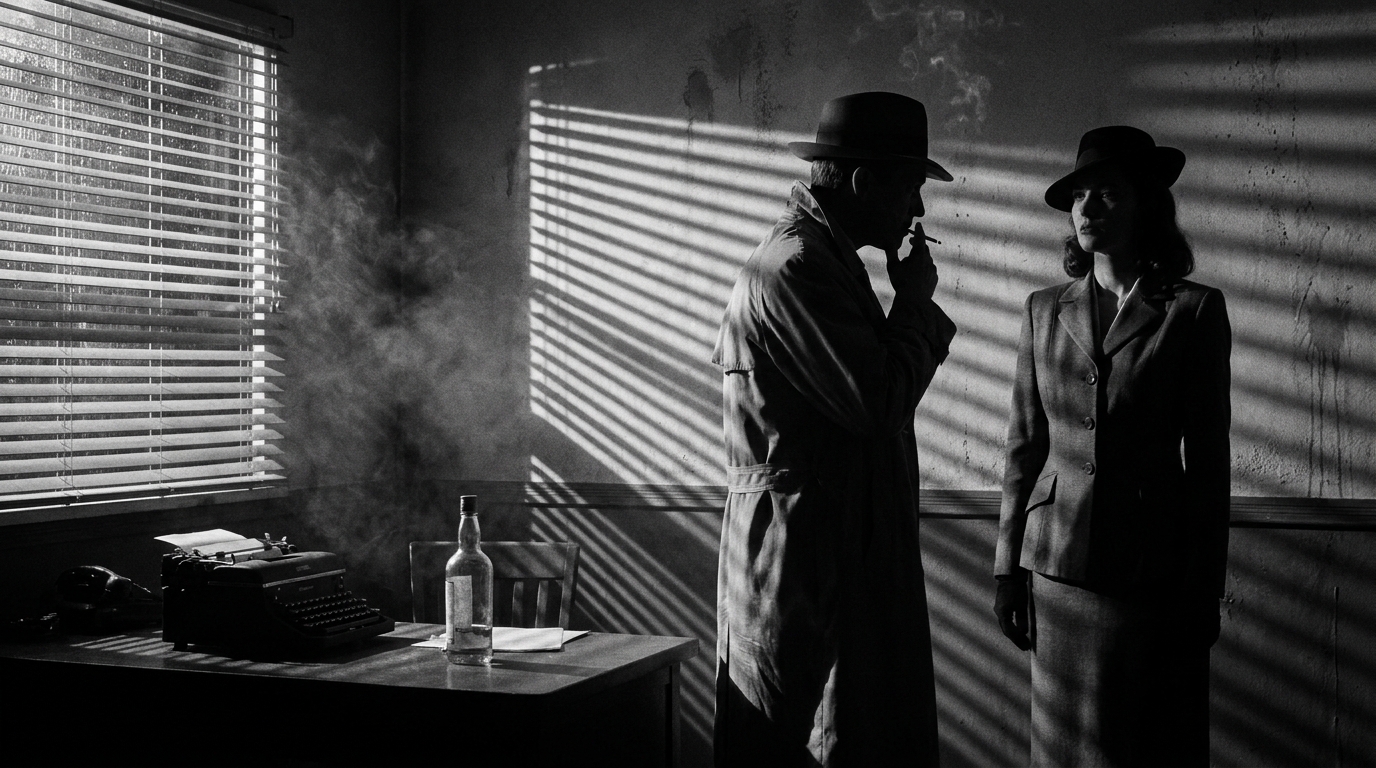
The era saw the development of distinct genres — film noir with its shadowy cinematography and morally ambiguous characters, musicals that combined elaborate choreography with memorable songs, and sweeping epics that showcased cinema’s technical capabilities. These films explored complex themes including corruption, desire, identity, and the human condition.
The Beginning of the End: Why the Golden Age Declined
The golden age began its decline in the 1950s due to multiple factors. Television emerged as a competing entertainment medium, drawing audiences away from movie theaters. The Supreme Court’s antitrust decision weakened studios’ control over distribution. Changing social attitudes made audiences more receptive to independent films and international cinema. The rigid moral codes that had governed Hollywood filmmaking began to loosen, allowing for more diverse and challenging content.
The rise of method acting, pioneered by performers like Marlon Brando and James Dean, represented a philosophical shift away from the polished, controlled performances that had characterized much of the golden age. This new approach emphasized psychological realism over theatrical presentation, reflecting broader cultural changes in American society.
Understanding Hollywood’s Lasting Legacy
The golden age of Hollywood remains deeply relevant today. When you visit Hollywood’s neighborhoods, you walk past theaters, studios, and landmarks that played crucial roles in this transformative era. The iconic landmarks and attractions that define modern Hollywood are largely products of this period.
Understanding this history provides context for contemporary discussions about power dynamics in entertainment, the importance of creative freedom, and the responsibility of the entertainment industry to its artists and audiences. The golden age reminds us that cinema is both art and commerce, and that the tension between these two forces continues to shape the stories we tell and the way we tell them.
Today’s filmmakers, actors, and industry professionals continue to grapple with questions first raised during Hollywood’s golden age: How do we balance artistic integrity with commercial viability? How do we protect vulnerable individuals in hierarchical power structures? How do we create space for diverse voices and perspectives?
Exploring Golden Age Hollywood Today
For those interested in experiencing this history firsthand, numerous sites around Hollywood offer glimpses into the golden age. The Hollywood Walk of Fame honors performers from this era, while historic theaters like the TCL Chinese Theatre and the Hollywood Palladium host premieres and events much as they did decades ago. Many of the studios where golden age films were produced — including Warner Bros. and Paramount — offer studio tours that provide behind-the-scenes access to working soundstages and production facilities.
Whether you are a film enthusiast, history buff, or casual visitor, exploring Hollywood’s golden age enriches your appreciation for both cinema and the neighborhood itself. The stories, scandals, and achievements of this era continue to influence entertainment and culture worldwide.