Hollywood’s iconic landmarks represent the neighborhood’s cultural significance and entertainment industry heritage. While the Walk of Fame and Hollywood Sign are the most recognizable symbols, Hollywood offers numerous other landmarks worth visiting. This guide explores Hollywood’s most important attractions, providing context for understanding their historical and cultural significance.
Understanding the history and meaning behind these landmarks enriches your appreciation for Hollywood and the entertainment industry. Each landmark tells a story about the neighborhood’s evolution and cultural impact.
The Hollywood Walk of Fame: Honoring Entertainment Achievement
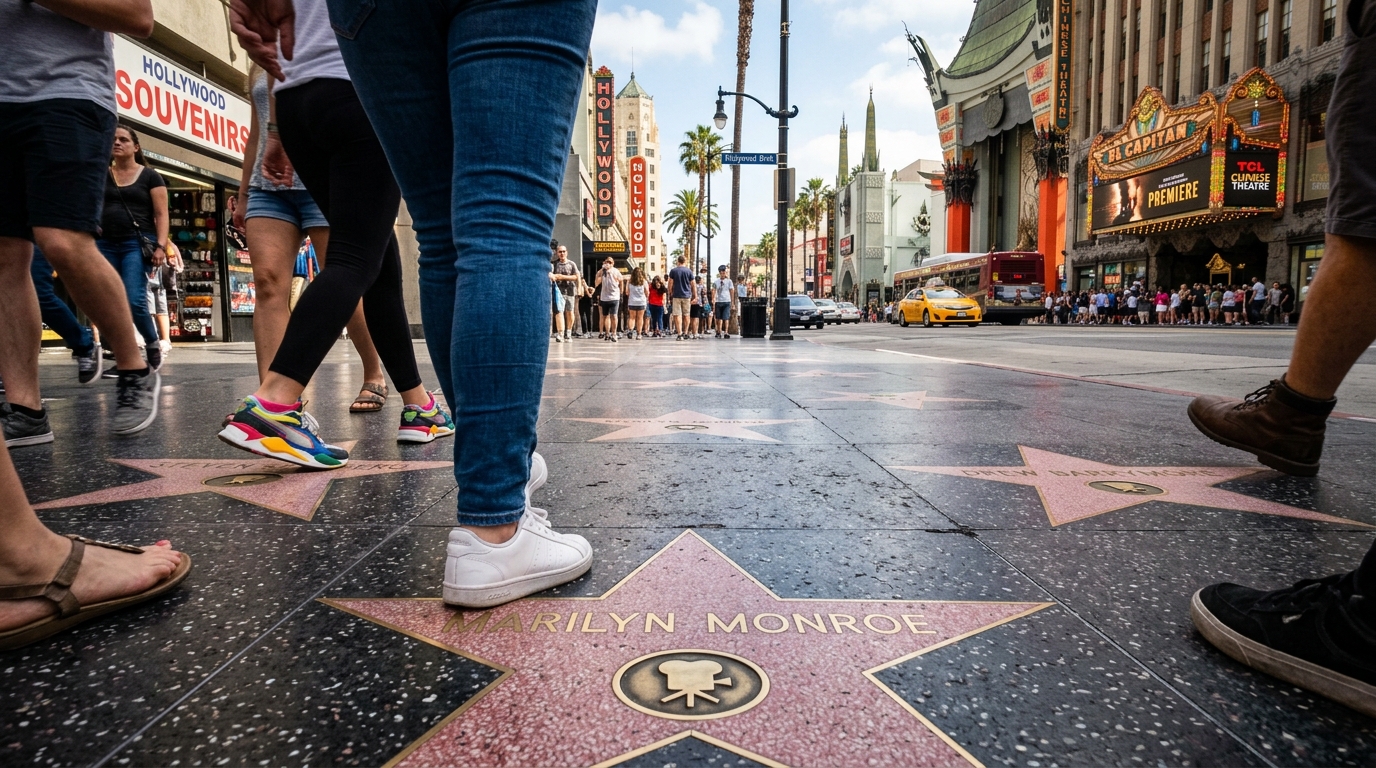
The Hollywood Walk of Fame, embedded in the sidewalks of Hollywood Boulevard and Vine Street, honors achievement in the entertainment industry. Over 2,700 stars commemorate actors, musicians, directors, producers, and other entertainment professionals. The walk extends for 15 blocks along Hollywood Boulevard and 3 blocks along Vine Street.
Each star features a name and category symbol indicating the honoree’s field of achievement. The categories include motion pictures, television, radio, recording, and live performance/theatre. Stars are awarded by the Hollywood Chamber of Commerce based on nomination and voting by industry professionals.
While the Walk of Fame is a major tourist attraction, it is also a working commercial district with shops, restaurants, and theaters. Exploring the walk provides insight into Hollywood’s entertainment history while also experiencing the neighborhood’s contemporary commercial life.
TCL Chinese Theatre: Historic Cinema Palace
The TCL Chinese Theatre (formerly Grauman’s Chinese Theatre) is one of Hollywood’s most recognizable landmarks. Built in 1927, the theater features distinctive Chinese-inspired architecture and has hosted countless film premieres. The theater’s forecourt contains handprints, footprints, and signatures of famous actors and directors embedded in concrete.
The theater remains an active cinema showing current films. Visitors can view the forecourt and take photos with celebrity handprints. The TCL Chinese Theatre website provides information about current films and special events.
The Hollywood Sign: Iconic Symbol of Entertainment
The Hollywood Sign, perched on Mount Lee in the Hollywood Hills, is perhaps Hollywood’s most iconic symbol. The sign, originally reading “Hollywoodland,” was erected in 1923 as an advertisement for a local real estate development. The sign has become a symbol of the entertainment industry and Los Angeles itself.
The sign is best viewed from a distance — from Runyon Canyon, Bronson Canyon, or Mt. Hollywood. Hikers can reach viewpoints near the sign, though the sign itself is protected and not accessible to the public. Hiking guides provide detailed information about trails leading to sign viewpoints.
Griffith Observatory: Science and Culture Combined
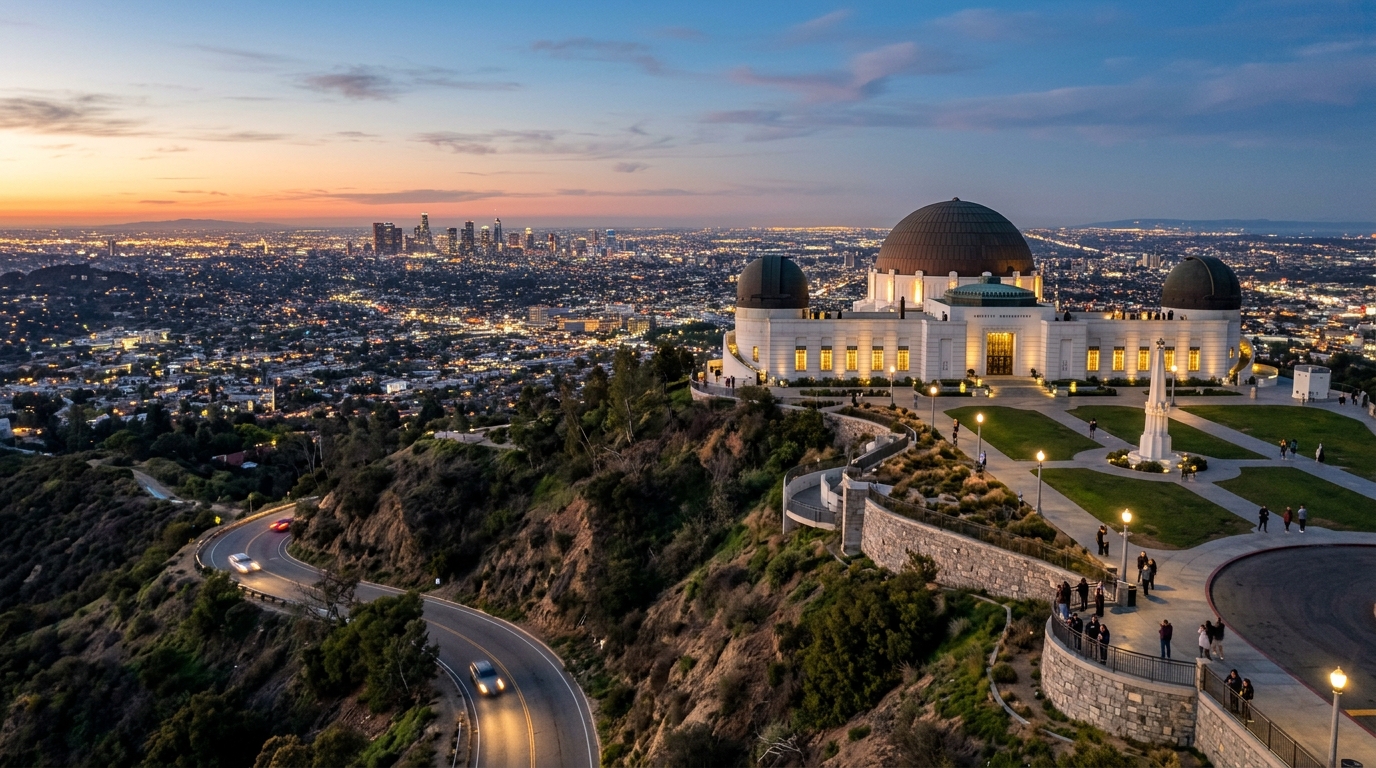
Griffith Observatory, perched on a hilltop overlooking Los Angeles, is both a scientific institution and a cultural landmark. The observatory offers free admission to exhibits about astronomy and space exploration. The planetarium features shows about the cosmos. The telescope viewing programs allow visitors to observe celestial objects.
The observatory’s location provides panoramic views of Los Angeles and the surrounding landscape. Many visitors combine observatory visits with hiking in Griffith Park and exploring nearby attractions.
Hollywood Bowl: Outdoor Entertainment Venue
The Hollywood Bowl, an outdoor amphitheater, is one of the largest natural amphitheaters in the world. Built in 1922, the bowl has hosted countless concerts, performances, and cultural events. The Los Angeles Philharmonic performs regularly during the summer season.
The Hollywood Bowl offers a unique entertainment experience combining live music with outdoor setting and views of the Hollywood Hills. Visitors often bring picnics and arrive early to enjoy the grounds before performances. The Hollywood Bowl website provides information about current performances and ticket information.
Hollywood Palladium: Historic Entertainment Venue
The Hollywood Palladium, built in 1940, is a historic nightclub and concert venue. The venue has hosted countless performances by famous musicians and entertainers. The Palladium remains an active entertainment venue hosting concerts, dance events, and special performances.
Pantages Theatre: Broadway Productions and Performances
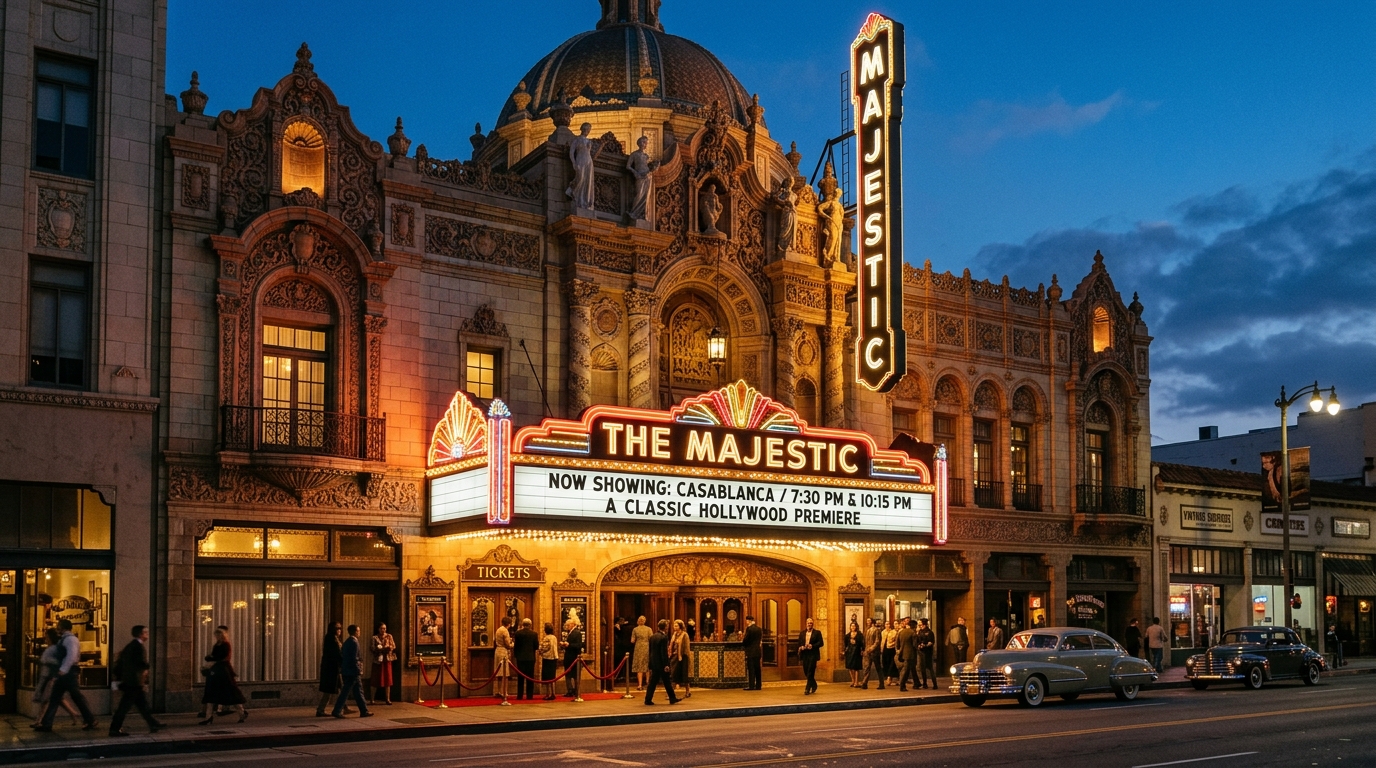
The Pantages Theatre, built in 1930, is a historic theater featuring Broadway productions, concerts, and other performances. The theater’s Art Deco architecture is distinctive and impressive. The Pantages Theatre website provides information about current performances.
Hollywood Museum: Film History and Memorabilia
The Hollywood Museum, located on Hollywood Boulevard, features exhibits about film history, celebrity memorabilia, and entertainment industry artifacts. The museum occupies the historic Max Factor Building, an Art Deco structure built in 1935.
Planning Your Landmark Visit
Most of Hollywood’s major landmarks are free to view from outside, though some charge admission for interior access. Plan your visit based on your interests and available time. Many visitors combine multiple landmarks in a single day, creating a comprehensive Hollywood experience.
Consider visiting landmarks during off-peak hours to avoid crowds. Early morning or weekday visits typically offer less crowded experiences than weekend afternoons.